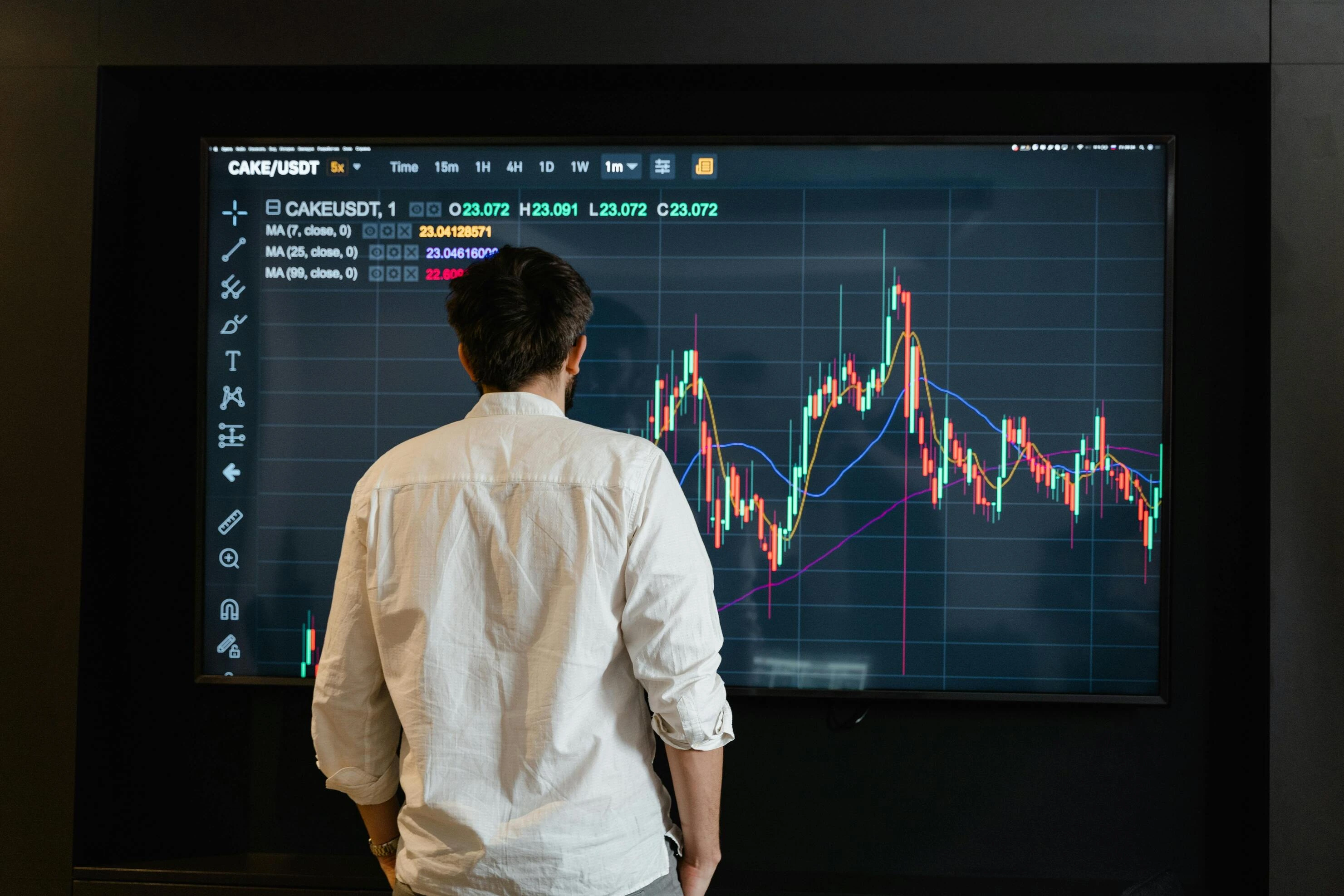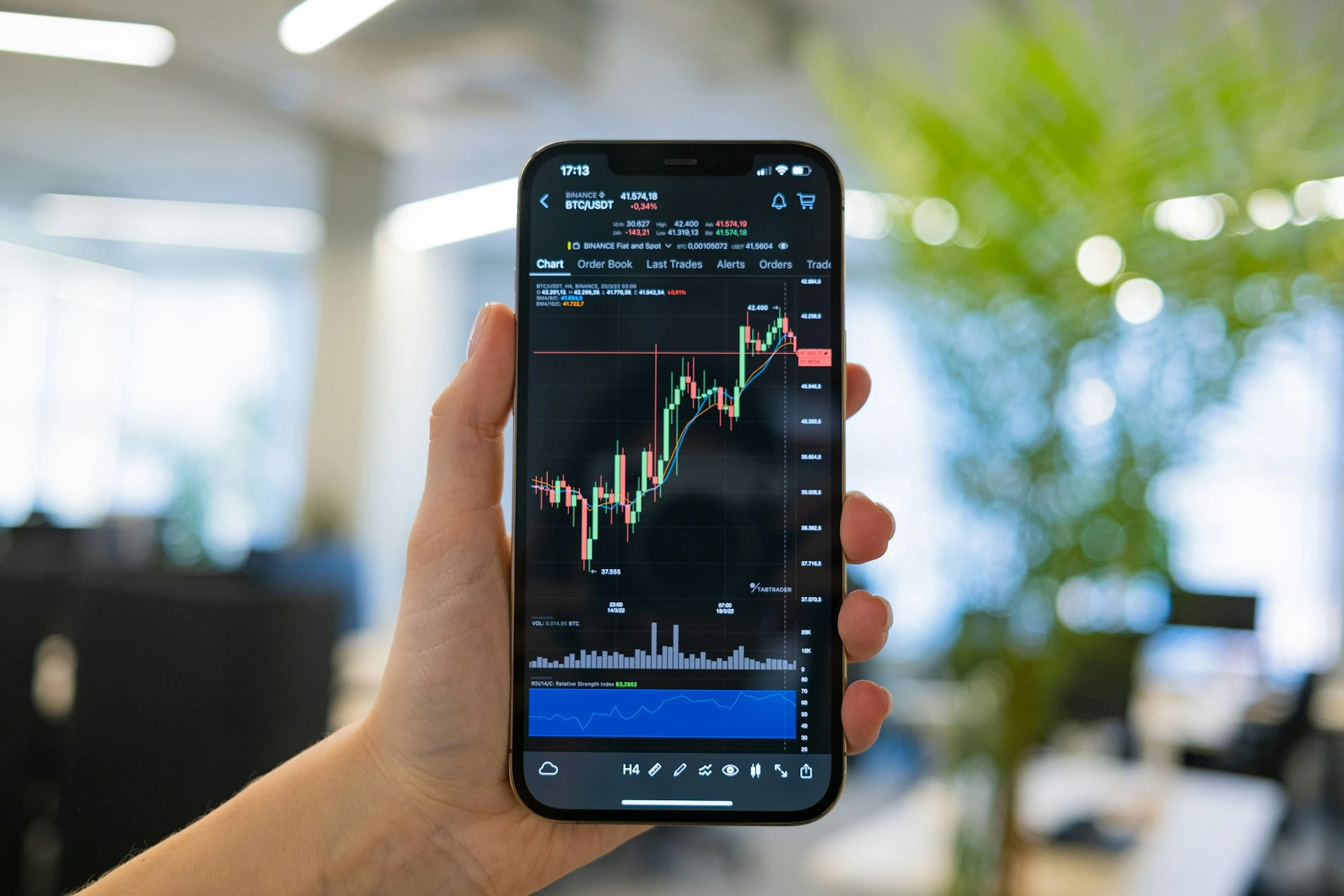
A doji candlestick is a price pattern that signals indecision in the market. It forms when an asset opens and closes at nearly the same price within a given time period. While price may move significantly during the session, the close ends up close to the open, creating a small or nonexistent candle body.
Understanding doji meaning helps traders and investors recognize moments when buying and selling pressure are in balance. A doji does not predict direction on its own, but it provides valuable context about market psychology and potential shifts in momentum.
Doji Candlestick Explained
A doji candlestick represents equilibrium. Buyers push prices up, sellers push prices down, and neither side gains lasting control by the close.
Key characteristics of a doji candlestick include:
-
Very small or flat candle body
-
Upper and lower wicks showing intraperiod movement
-
Close price near the open price
The importance of a doji lies not in the candle itself, but in what it reveals about hesitation and uncertainty among market participants.
Why Doji Candlesticks Matter in Market Analysis
Indecision after strong moves
Doji candles often appear after strong trends. When a doji forms following a sustained uptrend or downtrend, it can signal that momentum is slowing.
This does not mean a reversal is guaranteed. It simply shows that conviction is weakening.
Balance between buyers and sellers
A doji highlights a moment when supply and demand are evenly matched. Neither side is willing or able to dominate.
This balance can precede either continuation or reversal, depending on what follows.
Psychological insight rather than signal
Doji candlesticks offer psychological insight rather than direct instruction. They tell you how participants behaved, not what they will do next.
This makes context essential when interpreting doji patterns.
Types of Doji Candlesticks and Their Implications
Standard doji
A standard doji has small or equal upper and lower wicks. It reflects pure indecision with no directional bias.
This type is common in consolidating or low-momentum markets.
Long-legged doji
A long-legged doji has long upper and lower shadows, indicating wide price swings during the session.
Despite high volatility, the close returns to the open, signaling confusion and lack of agreement.
Dragonfly doji
A dragonfly doji has a long lower wick and little to no upper wick. Price falls sharply but recovers by the close.
This pattern may suggest buying pressure emerging after selling exhaustion, depending on context.
Gravestone doji
A gravestone doji has a long upper wick and little to no lower wick. Price rises but fails to hold gains.
This can reflect selling pressure near highs, especially after an uptrend.
Doji Candlestick in Different Market Contexts
Doji in trending markets
In strong trends, a doji often signals a pause rather than an immediate reversal. Trends may resume after brief consolidation.
Reacting too aggressively to a single doji in a trend can lead to premature exits.
Doji in sideways markets
In sideways markets, doji candles are common and often less meaningful. Indecision already defines the environment.
In this context, a doji may simply reinforce the lack of direction.
Doji near key levels
Doji candles become more significant when they form near important price levels such as prior highs, lows, or consolidation ranges. Context amplifies meaning.
Common Misinterpretations of Doji Candlesticks
Assuming automatic reversals
A common mistake is assuming every doji signals a reversal. This leads to overtrading and false expectations.
Doji candles require confirmation, not assumption.
Ignoring surrounding price action
Isolated doji analysis is unreliable. The candles before and after matter more than the doji itself.
Price behavior provides confirmation or invalidation.
Overemphasizing candle shapes
Not all doji candles carry the same weight. Market environment and trend strength matter more than perfect candle symmetry. Flexibility improves interpretation.
Doji Candlestick and Risk Awareness
Increased uncertainty periods
Doji candles often appear during uncertainty. Volatility may increase after indecision resolves.
Being aware of this helps manage position size and expectations.
Decision points for traders
For active traders, doji candles often mark decision points rather than action points.
Waiting for clarity reduces unnecessary risk.
Long-term investor perspective
Long-term investors usually view doji candles as noise unless they align with broader structural changes.
Short-term indecision rarely alters long-term fundamentals.
When Doji Candlesticks Are Most Useful
Market transition phases
Doji candles are most informative during transitions. These include trend exhaustion, consolidation, or pre-breakout phases.
They highlight moments when markets reassess direction.
Multi-timeframe analysis
A doji on a higher timeframe carries more weight than one on a very short timeframe.
Timeframe alignment improves relevance.
Combined with structure and volume
Doji interpretation improves when combined with price structure and participation levels.
Context transforms information into insight.
Conclusion
A doji candlestick represents market indecision, where buyers and sellers reach temporary balance. Understanding doji meaning helps investors and traders recognize hesitation points rather than forcing directional conclusions.
On its own, a doji is not a signal. Its value comes from context, placement, and what follows. By viewing doji candlesticks as informational markers rather than triggers, market participants can improve patience and reduce false reactions.
If you want to observe how doji patterns appear across different markets and timeframes, reviewing candlestick behavior and price structure through the Gotrade app can help you build a more nuanced understanding of market psychology over time.
FAQ
What is a doji candlestick?
A doji candlestick forms when the open and close prices are nearly the same.
Does a doji mean a reversal is coming?
Not always. It signals indecision, not direction.
Are all doji candlesticks the same?
No. Different types reflect different intraday behavior.
Is a doji useful for long-term investors?
Usually only as context, not as a decision trigger.
References
- Investopedia, Doji Candle Pattern, 2026.
- Groww, What Is Doji?, 2026.