The opening and closing moments of the stock market are often the most active parts of the trading day. Prices move faster, volume spikes, and emotions tend to run higher.
Understanding market open vs close trading helps investors and traders interpret price behavior more clearly and avoid making decisions based on noise rather than structure.
What Is Market Open and Market Close
Market open refers to the start of the regular trading session, when exchanges officially begin matching buy and sell orders. Market close marks the end of that session, when regular trading stops.
In the US stock market, the regular session opens in the morning and closes in the afternoon. Outside these hours, trading may continue in extended sessions, but the open and close remain the most important reference points.
Why open and close matter?
These periods concentrate participation. Institutional investors, funds, and algorithms often execute orders at the open or close.
Liquidity and information flow peak during these moments.
How Trading Behavior Differs at the Open
The market open reflects accumulated information. News released overnight is processed all at once.
Price discovery
At the open, the market establishes a new price range. Orders placed before the session are matched, often leading to gaps. This is where expectations reset.
Higher volatility
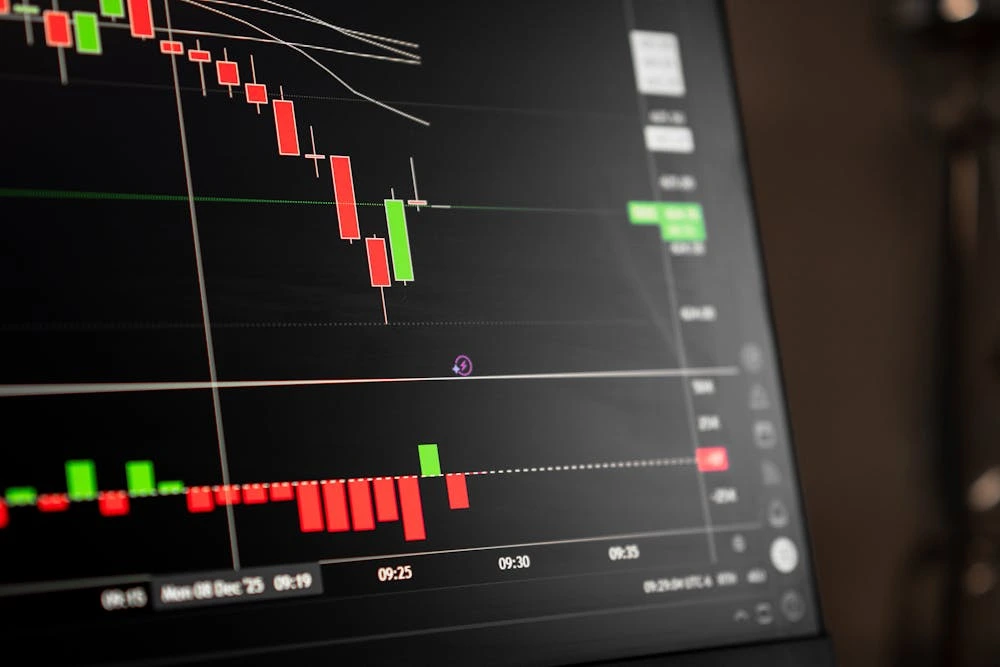
Volatility is typically higher at the open. Prices adjust quickly as buyers and sellers react to new information. Moves can be sharp and emotional.
Increased volume
Volume often spikes as participants enter positions or adjust exposure. Activity is front-loaded.
How Trading Behavior Differs at the Close
The market close reflects positioning decisions. Participants finalize exposure before the session ends.
End-of-day positioning
Funds rebalance portfolios and manage risk before the close. This can create directional pressure.
Closing prices matter for reporting.
Reduced time uncertainty
With no remaining session time, decisions become more decisive. Conviction increases.
Closing auctions
Many exchanges use closing auctions to determine the final price. Large orders are matched efficiently. Liquidity concentrates again.
Market Open vs Close Trading: Key Differences
Although both periods are active, they serve different functions.
The open processes new information. The close reflects decisions based on that information. That is why, timing matters.
Volatility profile
The open tends to be more chaotic. The close is often more structured but still active.
Different risks apply.
Strategy suitability
Short-term traders may focus on the open for momentum. Long-term investors often prefer the close for execution. Strategy also determines timing.
Risks of Trading at the Open and Close
Higher activity brings higher risk. These periods are not ideal for everyone.
Slippage risk
Rapid price movement increases slippage. Orders may fill at unexpected prices. Control is reduced.
False signals
Early moves can reverse quickly. Not all opening moves are meaningful. Patience helps.
Emotional decision-making
Crowded participation amplifies emotion. Fear and greed are strongest near the open and close. Discipline matters.
How Long-Term Investors Should Think About Open and Close
Long-term investors do not need to trade actively at these times. However, understanding them adds context.
Opening prices show how markets react to news. Closing prices show how participants end the day.
Both provide insight without requiring action.
Example of Market Open vs Close
A stock releases earnings after the market closes. The next day, it opens sharply higher as optimism dominates.
By the close, price may stabilize as investors reassess the information. The difference reveals sentiment evolution. Context matters more than the first reaction.
Conclusion
Market open and close are the most influential parts of the trading day. By understanding market open vs close trading and how open and close market dynamics differ, investors can better interpret price movement and avoid reacting to noise.
These periods reveal how information is absorbed and how positions are finalized. Awareness improves decision-making, even without active trading.
When using the Gotrade app, understanding how prices behave at the open and close can help you choose better entry points, manage expectations, and invest with greater confidence.
FAQ
What does market open mean?
It is the start of the regular trading session when exchanges begin matching orders.
Why is trading more volatile at the open?
Because overnight news and orders are processed all at once.
Does the closing price matter?
Yes. It is often used for valuation, reporting, and portfolio decisions.
Should beginners trade at the open or close?
Usually no. These periods carry higher risk and volatility.
Reference: