Few events influence financial markets as consistently as Federal Reserve meetings. Stocks, bonds, currencies, and commodities often move sharply when the Fed speaks, even if interest rates remain unchanged. For traders, Fed meetings are less about headlines and more about signals.
Understanding what happens during a Fed meeting and what traders watch for helps explain why markets sometimes react strongly to subtle changes in language or tone.
Understanding the Fed and FOMC Meetings
Fed meetings are where US monetary policy decisions are made.
Who is the Fed?
The Federal Reserve, often called the Fed, is the central bank of the United States.
Its main responsibilities include:
-
Managing inflation
-
Supporting employment
-
Maintaining financial stability
Because its decisions influence interest rates and liquidity, the Fed has a direct impact on financial markets.
What is an FOMC meeting?
A Fed meeting usually refers to a meeting of the Federal Open Market Committee, or FOMC.
The FOMC is the group within the Federal Reserve that sets monetary policy. It meets regularly throughout the year to assess economic conditions and decide on policy actions.
What Happens During a Fed Meeting
Fed meetings follow a structured process.
Interest rate decisions
The most visible outcome of a Fed meeting is the interest rate decision.
The Fed may:
-
Raise rates
-
Cut rates
-
Leave rates unchanged
Markets often price expectations in advance, so the decision itself may not be the biggest driver of price movement.
Policy statement release
After the meeting, the Fed releases a policy statement.
This statement explains how the Fed views inflation, employment, and economic risks. Traders analyze wording changes closely, even small ones.
Press conference and Q&A
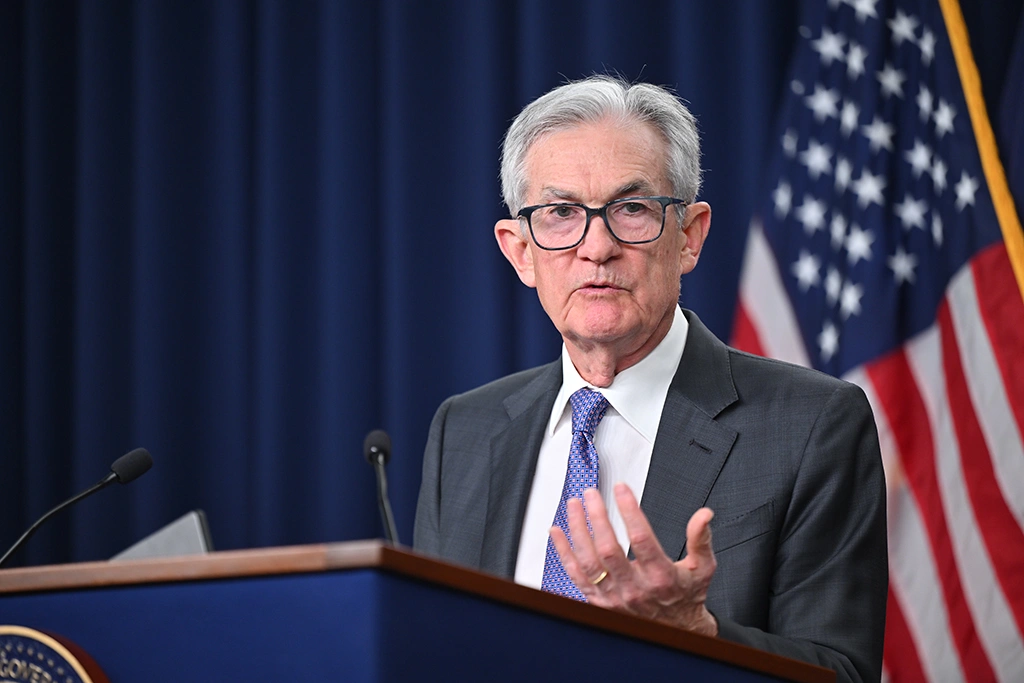
Some Fed meetings include a press conference with the Fed Chair.
During this session, the Chair answers questions and elaborates on policy thinking. Markets often react in real time to these responses.
What Traders Watch For During Fed Meetings
Traders focus on more than just the rate decision.
Changes in language and tone
Small wording changes can signal shifts in policy direction.
For example, references to inflation being “persistent” or “moderating” can alter expectations for future rate moves.
Tone often matters more than numbers.
Forward guidance and expectations
Forward guidance refers to how the Fed communicates its future intentions.
Traders watch for clues about:
-
The likely path of interest rates
-
How long policy may remain restrictive
-
Conditions required for future changes
These signals shape market expectations beyond the current meeting.
Economic assessment
The Fed’s view of economic strength or weakness influences market sentiment.
A more cautious outlook can support expectations of easing policy. A confident outlook can reinforce tightening expectations.
Why Markets React So Strongly to Fed Meetings
Fed meetings affect the foundation of asset pricing.
Interest rates and valuation
Interest rates influence how future cash flows are valued.
Changes in rate expectations can quickly affect stock valuations, especially for growth-oriented assets.
Liquidity and risk appetite
Fed policy affects liquidity in the financial system.
Easier policy often supports higher risk appetite. Tighter policy can pressure risk assets and increase volatility.
Expectations vs surprises
Markets react most when outcomes differ from expectations.
A rate pause that was expected may have little impact. A surprise shift in tone can trigger large moves even without a rate change.
How Traders Prepare for Fed Meetings
Preparation is essential due to elevated volatility.
Managing exposure
Many traders reduce position size or avoid opening new trades before Fed meetings.
This helps manage sudden price swings and execution risk.
Watching market positioning
Understanding how markets are positioned ahead of the meeting helps interpret reactions.
Crowded expectations can lead to sharp reversals if the Fed’s message surprises.
Separating signal from noise
Initial reactions can be volatile and emotional.
Experienced traders often wait for follow-through rather than reacting to the first move.
Limitations of Interpreting Fed Meetings
Fed communication is powerful, but imperfect.
Ambiguity is intentional
The Fed often communicates carefully to maintain flexibility.
This ambiguity can lead to mixed interpretations and short-term volatility.
Market overreaction risk
Markets may overreact to minor wording changes.
Not every Fed meeting signals a lasting trend shift.
Lagged policy effects
Fed decisions affect the economy with a delay.
Market reactions may change as real-world effects become clearer.
Conclusion
Fed meetings play a central role in shaping market expectations around interest rates, liquidity, and economic direction. Traders watch not just the rate decision, but the language, tone, and guidance that accompany it.
By understanding what happens during an FOMC meeting and what traders focus on, market participants can better interpret volatility and avoid reacting blindly to headlines.
If you want to track Fed meetings and observe how markets respond in real time, you can use the Gotrade app. Market tools make it easier to stay informed while managing risk responsibly.
FAQ
What is a Fed meeting?
It is a meeting where the Federal Reserve discusses and decides monetary policy.
What is the FOMC?
It is the committee within the Fed responsible for setting interest rates.
Do markets always move on Fed meetings?
Not always, but volatility often increases.
Should beginners trade during Fed meetings?
Fed meetings can be volatile, so strong risk management is important.
Reference:
Federal Reserve, FOMC Overview, 2026.
Investopedia, Federal Open Market Committee, 2026.