Reviewed by Gotrade Internal Analyst
Analysis paralysis happens when investors consume so much information that decision-making slows down or stops entirely. In today’s markets, the problem is rarely lack of data, but the inability to filter and act on it.
Understanding analysis paralysis investing helps investors recognize when research stops adding value and starts damaging investment decisions and long-term returns.
What Is Analysis Paralysis in Investing
Analysis paralysis is the inability to make a decision due to excessive information. In investing, it occurs when investors continuously analyze data, news, indicators, and opinions without committing to action.
The fear of making a wrong decision becomes stronger than the motivation to make any decision at all. As a result, investors delay entries, exits, or portfolio changes indefinitely.
Why investors fall into analysis paralysis?
Modern markets provide unlimited data at zero cost. This creates the illusion that better decisions require more information.
In reality, more data often introduces conflicting signals rather than clarity.
How analysis paralysis differs from careful research?
Careful research leads to clear conclusions and defined actions. Analysis paralysis leads to more questions and fewer decisions.
The difference lies not in effort, but in whether analysis results in execution.
How Analysis Paralysis Hurts Investment Decisions
Analysis paralysis has real and measurable consequences. These costs are often hidden but compound over time.
Missed opportunities
Markets continue moving while investors hesitate. By the time confidence feels high, prices have often already adjusted.
This leads to buying later at worse prices or missing opportunities entirely.
Inconsistent execution
Over-analysis causes investors to constantly revise their plans. Strategies are changed before they are tested properly. This prevents learning and destroys consistency.
Emotional exhaustion
Constantly consuming information increases stress and doubt. Even well-researched investors begin to lose confidence. Decision fatigue eventually leads to avoidance rather than action.
Overfitting and false precision
Analyzing too many variables increases the chance of finding patterns that do not matter. This creates false confidence without improving results. Decisions feel precise but lack robustness.
Common Sources of Analysis Paralysis
Analysis paralysis is reinforced by modern investing behavior. The environment encourages consumption, not execution.
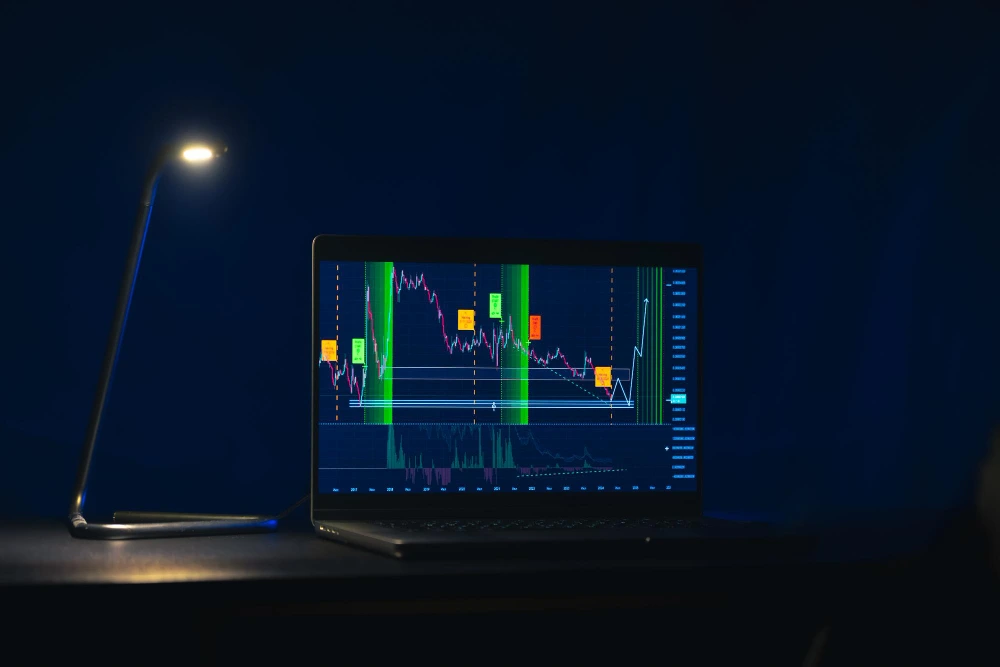
Excessive indicators and tools
Adding more indicators rarely improves decision quality. Conflicting signals increase hesitation rather than confidence. Simplicity often performs better than complexity.
Information overload
News, earnings commentary, social media, and forecasts arrive nonstop. Not all information is relevant to your strategy. Without filters, investors treat everything as equally important.
Fear of regret
Many investors fear being wrong more than missing returns. This fear leads to endless checking and second-guessing. Avoiding regret becomes the primary goal instead of making rational decisions.
Comparison with others
Seeing different strategies succeed creates doubt. Investors assume there is a single correct approach they have not found yet. This belief fuels endless searching.
Ways to Overcome Analysis Paralysis
Overcoming analysis paralysis requires structure, not more data. Clear rules reduce emotional pressure.
Define a decision framework
Investors should decide in advance which metrics matter and which do not. This prevents distraction during market hours. A framework turns information into action.
Limit inputs intentionally
Choose a small number of indicators or data sources. Consistency improves clarity over time.
More inputs usually increase confusion, not accuracy.
Separate research from execution
Research should happen outside trading or market hours. Execution should follow predefined rules.
This separation reduces emotional interference.
Focus on process over outcomes
Good decisions can still lead to losses. Evaluating decisions by outcome alone reinforces fear.
A strong process matters more than short-term results.
Accept uncertainty
Markets do not offer certainty. Waiting for perfect information guarantees inaction.
Successful investors act with incomplete information and manage risk instead.
Start with smaller positions
Smaller position sizes reduce emotional pressure. Action becomes easier when risk feels manageable. Confidence grows through execution, not observation.
Conclusion
Analysis paralysis occurs when excessive information prevents investors from acting. By understanding analysis paralysis investing and how it damages investment decisions, investors can recognize when research becomes counterproductive.
Markets reward clarity, discipline, and consistent execution, not perfect analysis. Simplifying inputs, defining decision frameworks, and accepting uncertainty help investors move from hesitation to action.
When investing through the Gotrade app, focusing on a clear strategy and limiting unnecessary data can help you make better decisions and stay engaged with the market instead of remaining stuck on the sidelines.
FAQ
What is analysis paralysis in investing?
It is the inability to make investment decisions due to excessive analysis and information overload.
Is more research always better for investing?
No. Beyond a certain point, more data increases confusion rather than improving decision quality.
Can long-term investors experience analysis paralysis?
Yes. Overanalyzing entry points often leads to staying in cash for too long.
How can investors overcome analysis paralysis?
By simplifying inputs, defining rules, and focusing on disciplined execution.
Reference:
-
VeryWell Mind, Analysis Paralysis, 2026.
-
Atlassian, Analysis Paralysis, 2026.